 tamilabo
Notes
I want to watch people wander in a world I made
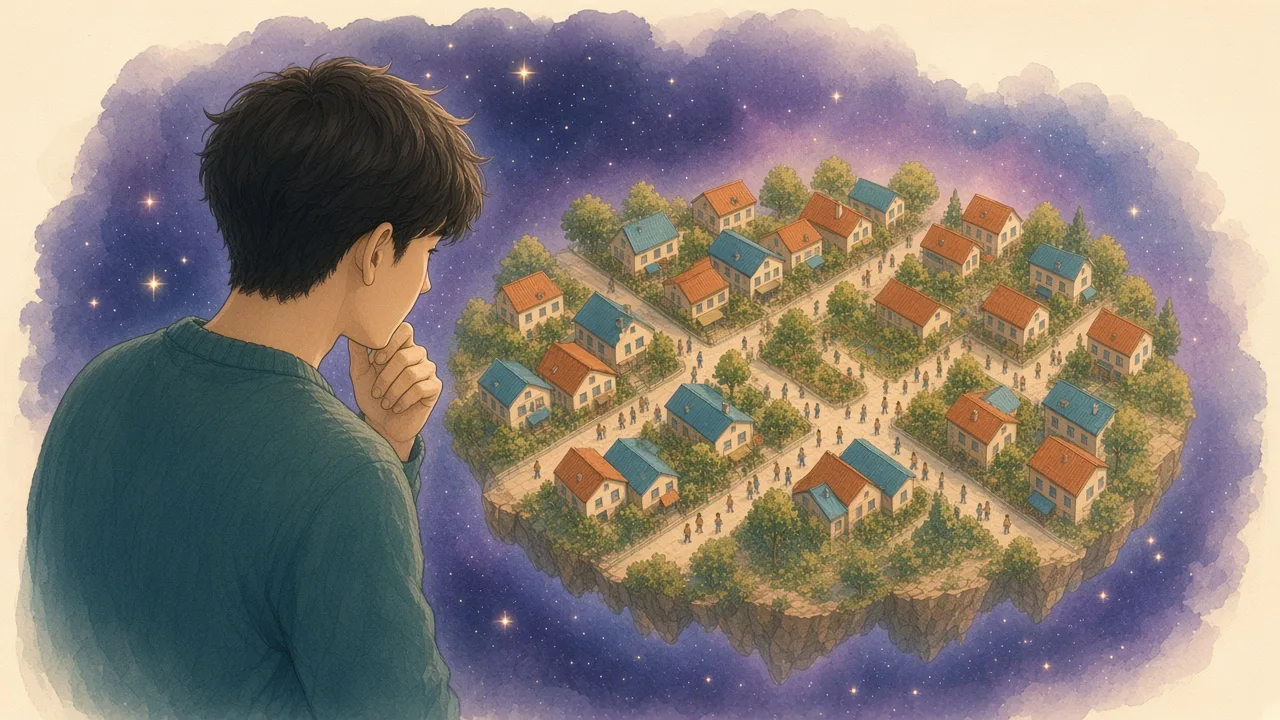
A 2020 note on why I kept making games on my own. I wanted a second income. At the root, I just liked watching players wander around inside a game I made.
This is a note I wrote in November 2020. Work was getting busy toward the end of the year, and I wanted to sort out, once, why I kept doing indie development.
That year I finally released Animal Panic Puzzle, a study piece I had been chipping away at for a long time. After that I entered a casual game contest, took bronze, and even signed a publisher deal. A new title I meant to ship the following year was, at the time, very much in progress.
So I figured I would try to sort out why I was still doing indie development.
Back then I was also making games at my day job. I cannot write the specifics, but it was one live social game, one new title, and one large project looking further ahead. Busy days.
Full remote had become normal because of COVID. I thought the biggest advantage of this line of work was that it could be done fully remote, so even after things settled I expected that flow to continue.
Anyway. I started scheduling the day so that work time and side-project time were clearly split. I stopped treating the day job and indie work as separate roads, and put them on one path.
When I told my wife, it came out as something like, are you slacking off during work. My workplace's stance was that if the work got done, they would not ask how the hours were sliced. The reverse was also true: when a bug or an outage hit, you dealt with it after hours too.
People would argue about this style. I liked it. A child who suddenly needed a clinic visit, public errands that were painful unless you went on a weekday — I could move the hours.
Indie work was the same. I did the day job properly, kept a buffer, and worked in that buffer. It was the same range of time I was free to rearrange.
Doing indie work alongside the day job also cut waste from how I used time. The work got a pulse. I could not let the day job slide just because I was making my own things, so I ended up facing it more honestly.
People often said a side job would make you neglect the main one. If it was not the kind of side work that wrecked your body, I barely thought that happened. If anything, you started doing the day job properly so you did not lose the right to keep the side work. That was it!
New techniques I touched in indie work could transfer to the day job. At the time that meant putting Firebase into Unity, or wiring up Google Sign-In. It became practical knowledge you did not really get from tech blogs alone.
So I tried to study techniques that could move either way. I had a family by then. Unlike when I was single, if I spent time badly I would be a grandpa before I noticed.
A clear reason to transfer the work meant I did not study at random. Less waste. More efficient.
And then, the reason everyone thinks of first. The biggest reason I kept doing indie development was a second income.
Shipping Animal Panic Puzzle made me feel, in my skin, that the market was a pretty deep red ocean. Even so, I thought making games and apps on my own was about the only thing I could do.
It was not income you could call a second source yet. The first title did not earn. I still did not rot, and I kept making the next one. Progress was slow, still in XD, but I was plotting to ship by the following summer. That next title was being built on the premise of monetization, ads, and promotion.
Monetization, ads, genre — there were plenty of business worries. In the end, though, I just loved making games. That was all there was to it.
Why. It was less that I wanted to make a fun game, or put out a famous title. I liked watching players wander around, lost and busy, inside a world I made.
That feeling became clear in junior high and high school, when I had friends play the RPG Maker games I had built while imagining their reactions, and then actually saw those reactions.
I wanted to feel that again.
I could say for sure, then, that this sat at the root of why I made games. And if I could earn on top of that, it became the structure of getting paid to do what I liked. Not a scrap of regret in this life, I thought.
The bother at the time: I liked playing games, but while I played I started thinking about the UI, or how I would implement the systems, and I could no longer enjoy them purely. That was a sad spot.
I simply liked making services and games — making works, really. I wanted to make a game people enjoyed, then watch them wander around in it with a little grin. And on top of that, I wanted it to earn.
Because I liked making games, I wanted to still be programming when I was a grandpa, and still making pictures and music. I wanted to stay a working creator for life.
Kure-jii-san at Go Software, who made the First Queen series with all those crowded characters, was already 68 at the time and still a working programmer. I wanted to be like that.
To get there, first I wanted to make the next work, secure some real earnings, and eventually start a company. I did not want a large company. I wanted it small. A small business. That is what I thought then.
Until the income was stable, I would keep the day job too. I thought that was the way of working that best fit the current.
I also thought the ground was there to make a business work as one person. Holding as few employees as possible would lower the risk, I thought.
I have lined up a lot of this, but it came down to making things I liked, and earning if I could. I wanted to watch people wander in a world I made. That was the conclusion, then. That's it!